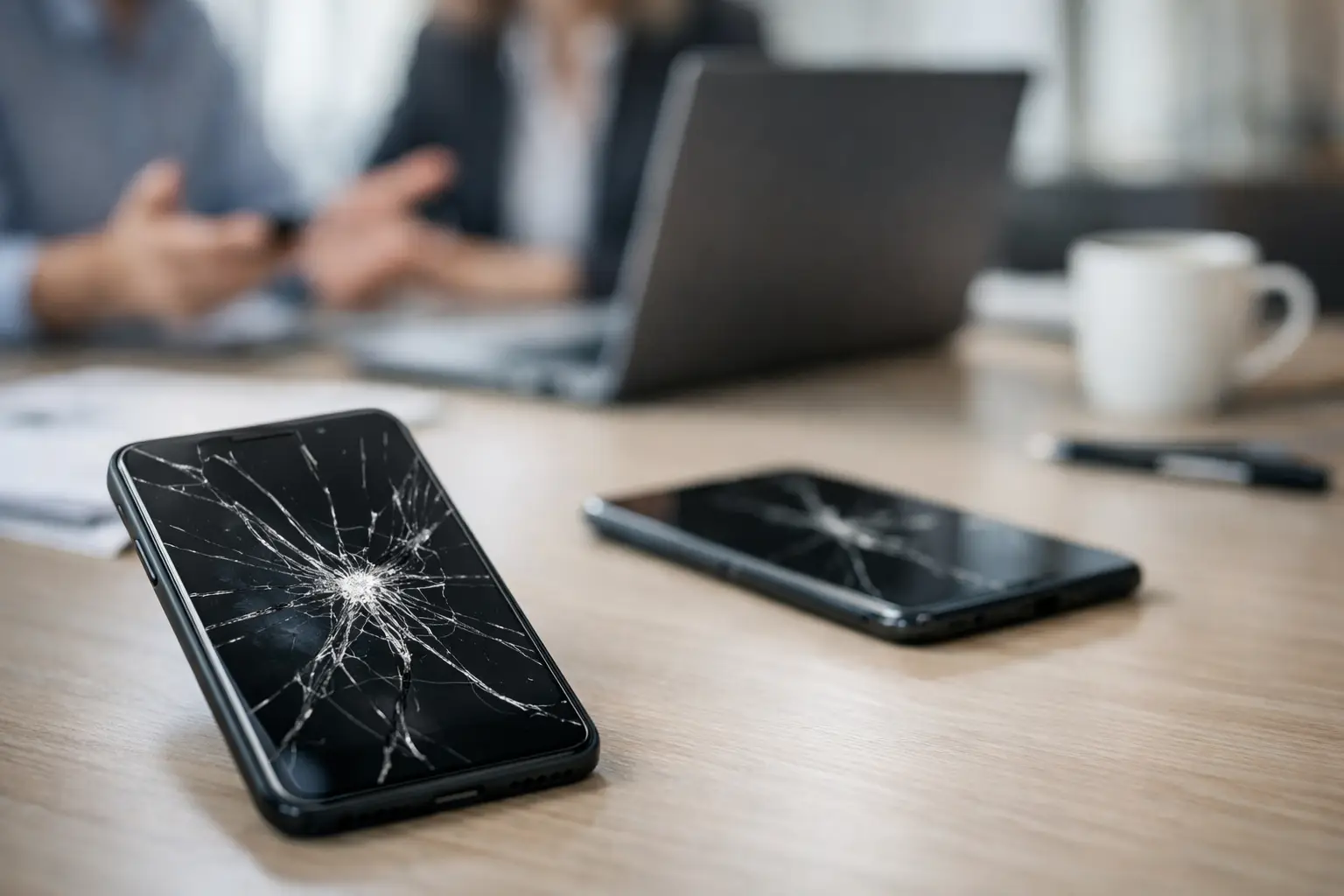
A small crack near the corner can turn into a screen covered in lines after one busy week. So, can broken screens spread? Yes. A cracked phone, tablet, or smartwatch screen can get worse over time, especially when the device is pressed, dropped again, exposed to temperature changes, or carried loose in a pocket or bag.
The glass itself does not keep breaking for no reason. But once it has been damaged, everyday stress has an easier path through the screen. What starts as a thin hairline crack can reach the center of the display, affect touch response, let in moisture, or leave sharp edges around the damaged area.
Can Broken Screens Spread Over Time?
A crack can spread because the protective glass has lost its strength. Phone screens are designed to distribute normal pressure across an intact surface. Once that surface has a crack, pressure concentrates at the edges of the damaged spot. Tapping the screen, setting the phone down, putting it in a tight pocket, and twisting the device slightly can all extend the crack.
Heat and cold can make this worse. Glass expands and contracts as temperatures change. Leaving a cracked phone in a hot car, taking it outside on a cold Richmond morning, or charging a device that is already warm may put enough stress on the damaged glass for a crack to grow.
Another drop is the most obvious risk. Even a short fall onto carpet can be enough to worsen an existing crack because the screen is already weakened. A screen protector may help hold loose shards in place, but it cannot restore the glass underneath or stop every crack from moving.
Why Some Cracks Spread Faster Than Others
Not every broken screen follows the same pattern. A shallow scratch in the top glass may stay about the same for a while. A deep crack, impact point, or chipped corner is more likely to spread because the screen has lost structural support in that area.
Cracks near the edge of the phone are often a bigger concern than they look. The frame puts pressure on the screen, and edge damage can continue inward with normal handling. Cracks that cross from one side of the display to the other are also more likely to grow than a small, isolated mark.
The type of device matters, too. Many newer phones use a screen assembly made of several layers: outer glass, touch sensor, display panel, and adhesive. The outer glass may be cracked while the display still looks normal. In other cases, the impact also damages the panel underneath, causing black spots, flickering, colored lines, or dark areas that spread across the display.
That second situation is not just a glass problem. The display is failing, and it may stop working without much warning.
Signs You Should Not Wait on Screen Repair
A cracked screen is inconvenient. A damaged display can become a real problem when you need your phone for work, school, banking, maps, calls, or family communication. It is time to get the device checked sooner rather than later if you notice the crack growing quickly, pieces of glass coming loose, or the screen feeling sharp around the edges.
Pay attention to changes behind the glass. Black ink-like spots, green or pink lines, flashing, dim sections, or a screen that turns on only sometimes usually point to damage beyond the outer layer. Touch problems matter too. If areas of the screen do not respond, open apps on their own, or make typing difficult, the touch digitizer may be damaged.
Moisture is another reason not to put repair off. A cracked screen creates an opening where water, rain, sweat, dust, and pocket debris can reach parts of the device that were meant to be sealed. Even phones advertised as water-resistant can lose that protection after screen damage. Do not assume a cracked phone can handle a splash because it did before.
If the phone is overheating, bulging, separating from the frame, or has battery-related issues after a drop, stop using it and have it inspected. Those signs may involve more than the screen.
What to Do While You Decide on a Repair
The best short-term move is to back up your device right away. If the display fails completely, getting photos, messages, contacts, authentication codes, and work files off the phone becomes harder. Use your usual backup method while the screen is still usable.
Then reduce the pressure on the damaged area. Keep the phone in a protective case, avoid tight pockets, do not place it face-down, and do not stack items on top of it. Handle it gently when plugging in a charger. If a crack is severe or shards are exposed, a temporary screen protector can reduce the chance of cuts and help keep small pieces from falling away.
Avoid DIY liquid repair products, glue, or tape placed directly into the crack. These can interfere with a proper repair and may seep into openings around buttons, speakers, cameras, or sensors. A cheap replacement screen can also create new issues with display quality, brightness, touch response, fingerprint sensors, or fit. The lowest price is not always the lowest total cost if the repair has to be redone.
Can You Keep Using a Phone With a Broken Screen?
Sometimes, yes. If the crack is small, touch works normally, the display is clear, and no glass is loose, you may be able to use the device carefully for a short period. That is different from saying it is safe to ignore.
The trade-off is risk. A screen that works today may fail after a minor bump tomorrow. It can also become more expensive to fix if the damage spreads from the glass into the display, frame, cameras, or internal components. For people who rely on their phone every day, scheduling a repair before the screen becomes unreadable is usually the practical choice.
Repair is also worth considering when a device is otherwise in good shape. Replacing a damaged screen can cost less than replacing a phone, transferring data, buying accessories again, and dealing with the interruption of setting up a new device. On the other hand, if the phone is very old, has multiple failures, or needs a costly display assembly, comparing repair cost with replacement value makes sense.
The Bottom Line on Spreading Screen Cracks
Broken screens do not heal, and they rarely become easier to deal with. A small crack may stay stable for a time, but pressure, temperature changes, another drop, and moisture can all turn minor damage into a display failure.
If your screen has cracks, lines, dark spots, touch issues, or sharp glass, get a quote before it becomes an urgent no-phone situation. Excell Wireless VA can assess the damage and help you understand the repair options for your device. A quick inspection now can save you from losing access to the phone you depend on later.